Maintain.

Scaling and Polishing

This involves removal of soft and hard plaque from your teeth, leaving your them clean and smooth.  It helps you avoid tooth decay and allows your gums to recover from inflammation and avoid further damage.  It is recommended that this procedure be done every 6 months.

Pit and Fissure Sealant

This is a dental treatment used to avoid formation of tooth decay on children’s teeth.  A resin is normally applied to cover grooves and fissures on the biting surfaces of back teeth.

Mouth Guards

These are protective devices worn in the mouth to protect the teeth and jaws from the effects of teeth grinding.  They are made of a soft, flexible material that is custom-fitted to the individual’s teeth and mouth.   They create barrier between the upper and lower teeth, preventing contact and possible grinding.

Restore.

Inlays and Onlays

Dental inlays and onlays are indirect restorations made from porcelain or composite. They are a well-fitting, stronger, and more durable when treating teeth with tooth decay or fracture. They are suitable in cases where a tooth has an extensive damage that cannot be treated with a filling, but not extensive enough to need a crown.  The main difference between an inlay and an onlay is that an inlay fills the area between the cusps, but an onlay may also involve cusps

Root Canal Treatment

This is a procedure to treat teeth with deep dental decay.  It involves removing the infected or damaged pulp tissue and replace it with root canal filling material.  It helps alleviate the pain and avoids tooth loss.

Crown and Bridge

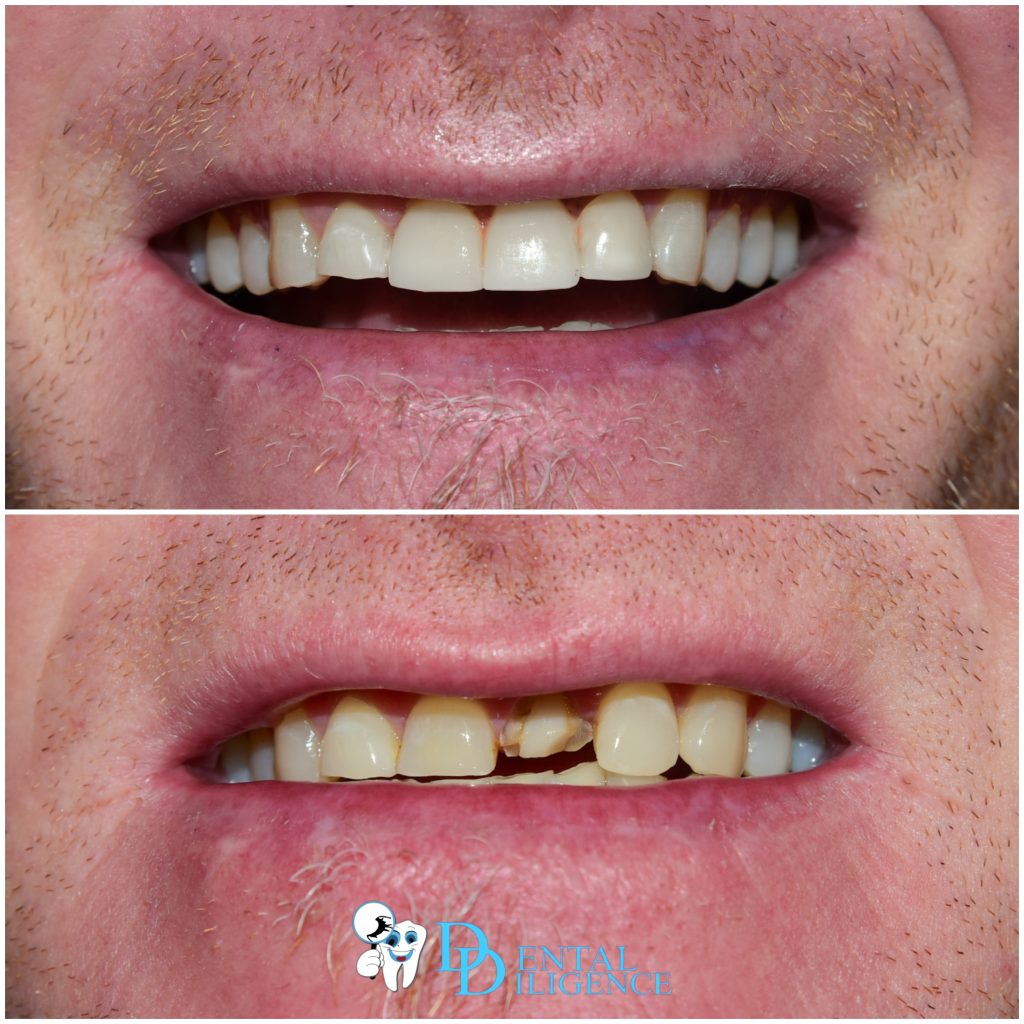
A dental crown is an indirect restoration made of porcelain, porcelain fused to metal, or composite.  Unlike Inlays and onlays, a dental crown covers the entire surface area of a tooth crown, hence it is a more suitable option to restore teeth with extensive tooth decay or fracture.  It is well fitting, stronger and always more durable than a dental filling.

Dental Bleaching

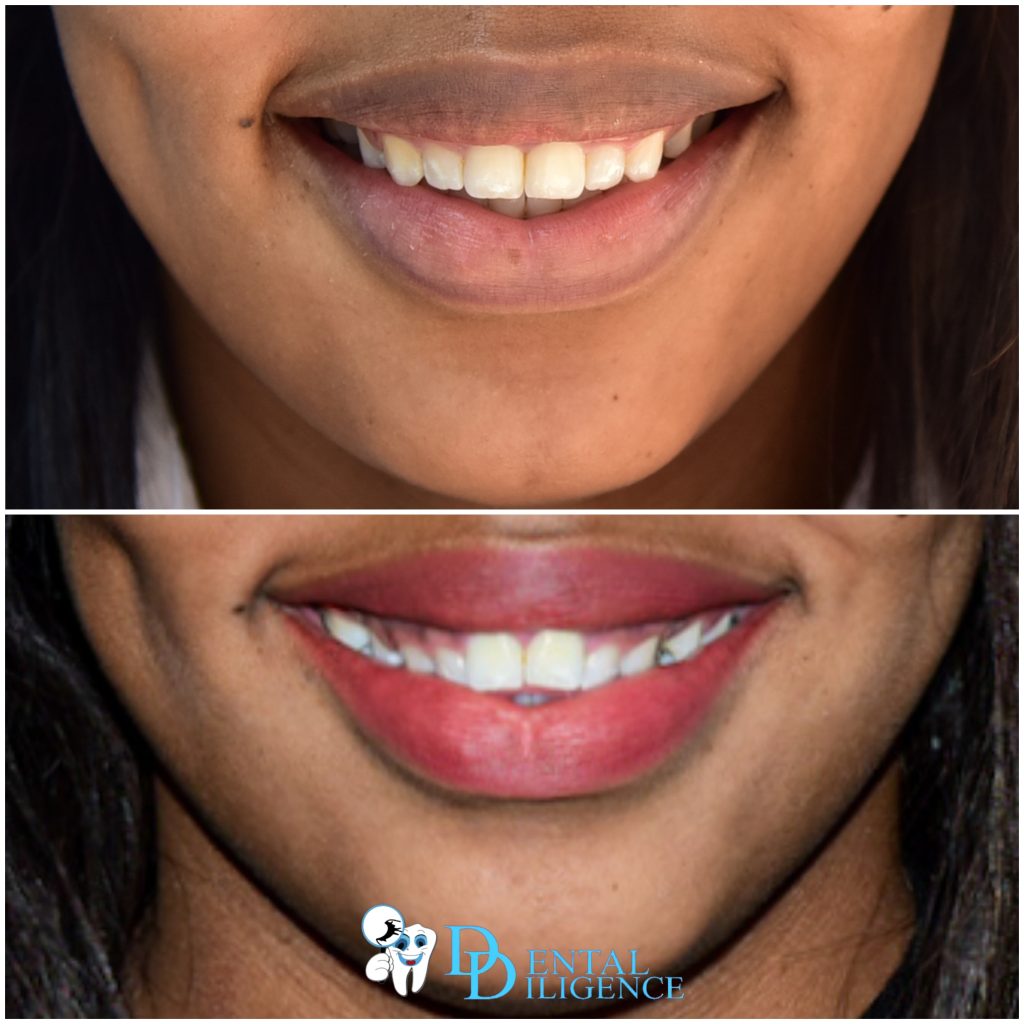
This is a cosmetic dental procedure used to lighten the colour of teeth and remove stains and discoloration.  It involves the use of a bleaching agent which penetrates tooth enamel and break down stains and discoloration.

Fillings

This is a treatment that restores teeth damaged by tooth decay or fracture.  This involves cleaning of the affected tooth, thus removing the destroyed tooth structure and replace it with a filling material.  This alleviates toothache, restores the tooth structure, function and aesthetics.

Dentures

These are removable appliances meant to replace missing teeth and surrounding tissues.  They  resemble natural teeth and gums, thus they restore function and aesthetics on people who have lost some or all of their natural teeth.

Align.

Braces

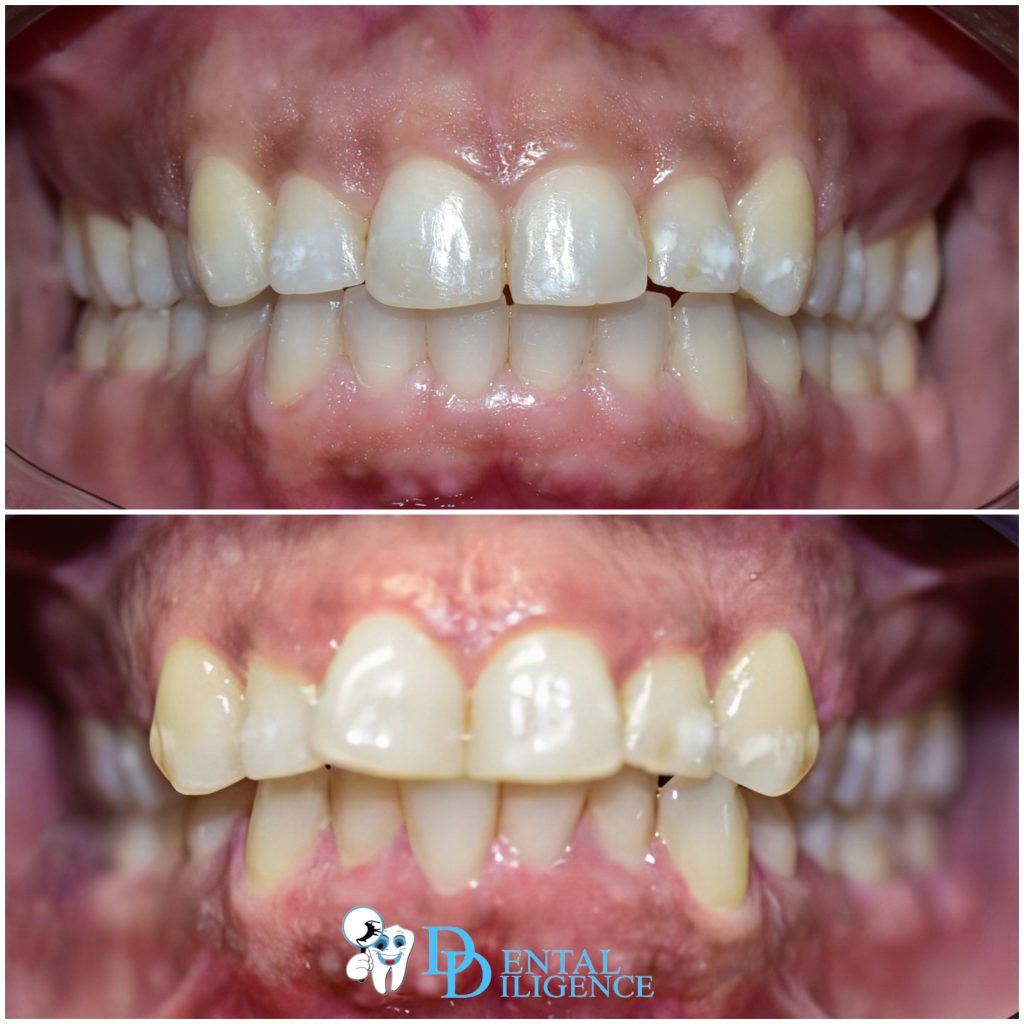
Braces are fixed devices that are bonded to teeth and are used to straighten misaligned teeth and improve the relationship of how the upper and lower teeth come together.  Straightened teeth can help increase self-confidence, which can boost both your social and professional life. Apart from improving the looks, braces can also help improve your jaw function and speech. Another benefit, which is often overlooked is improved oral hygiene, as straightened teeth are easier to clean.

Aligners

Aligners are removable appliances placed on teeth to gradually apply small forces on misaligned teeth to straighten them.  They are an alternative treatment option to fixed braces.  Both Braces and aligners can improve your smile.  Talk to your dentist to check which option may be more suitable for you.

Photo gallery

Our latest work